| Donate $25 for two DVDs of the Cryptome collection of files from June 1996 to the present |
|
25 August 2002 http://web.dandp.com/n45/pp_2000/Team_CNO.pdf
Remediation of Perchlorate Contamination in Soil and Groundwater Environmental Restoration Environmental Restoration Team
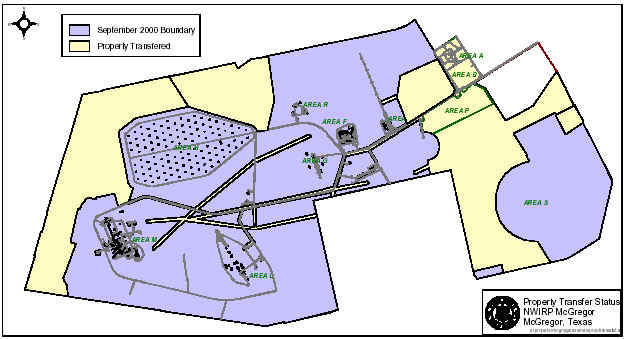
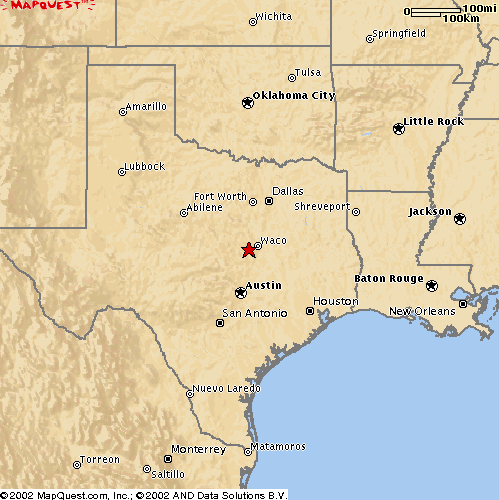
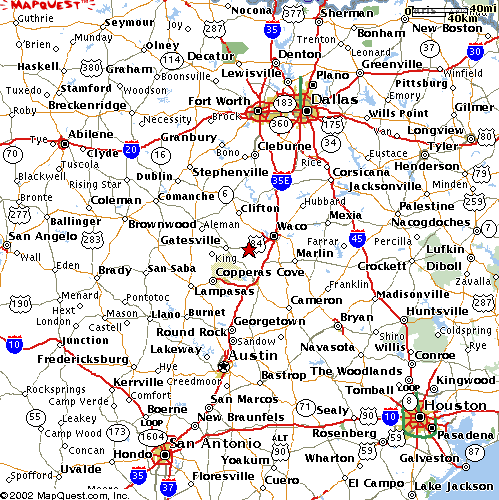
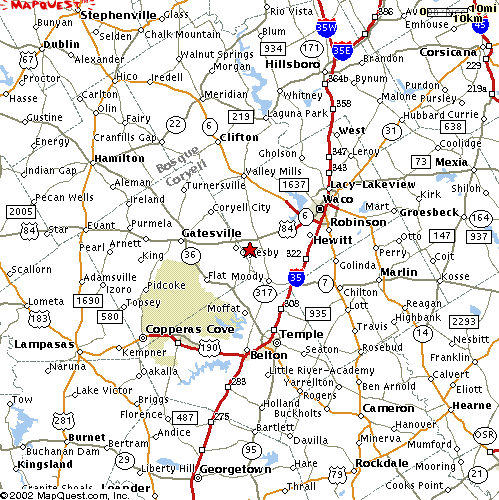
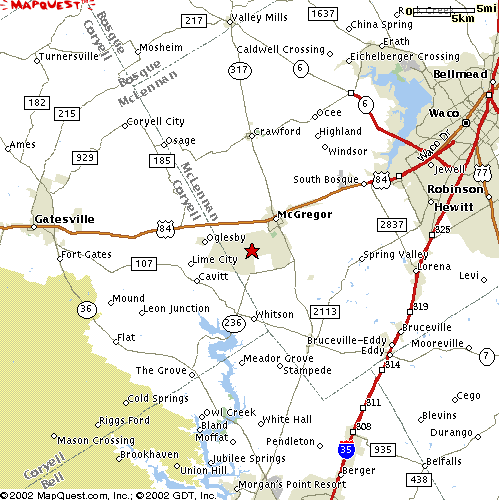
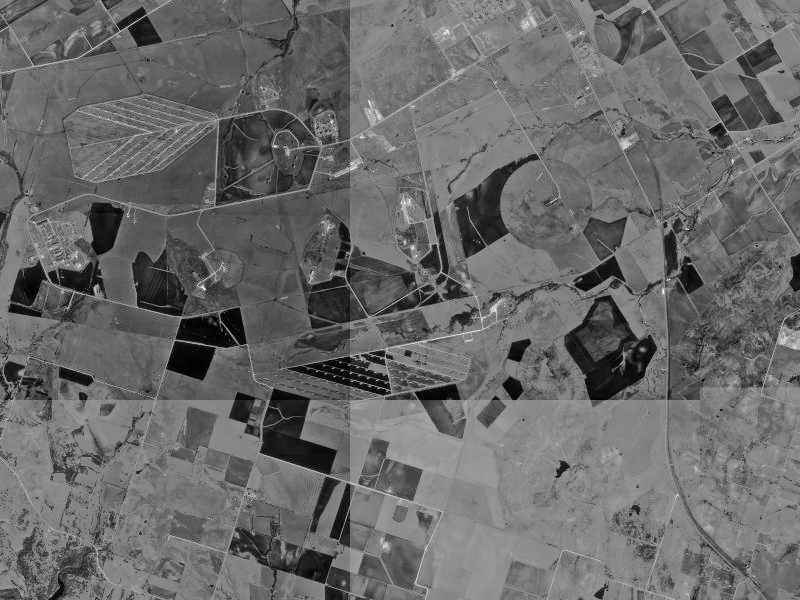
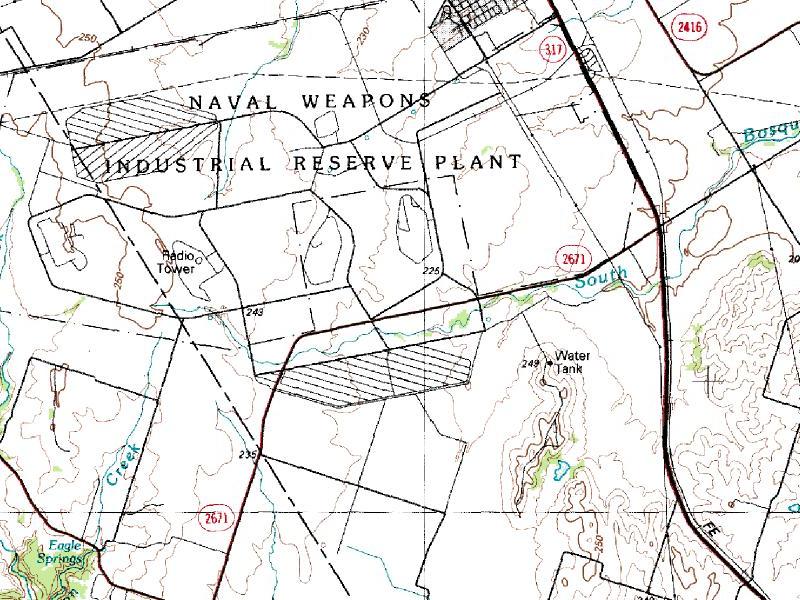
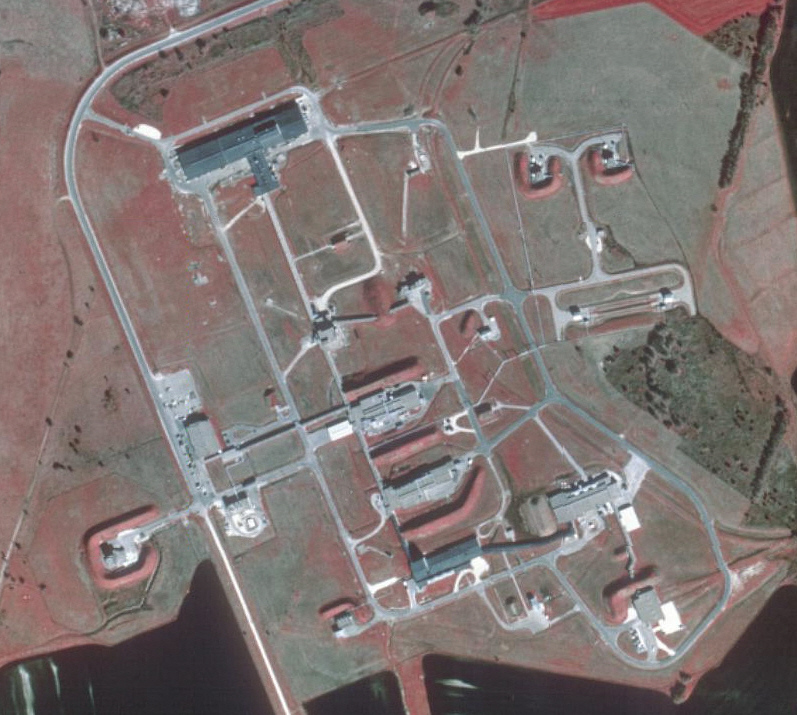
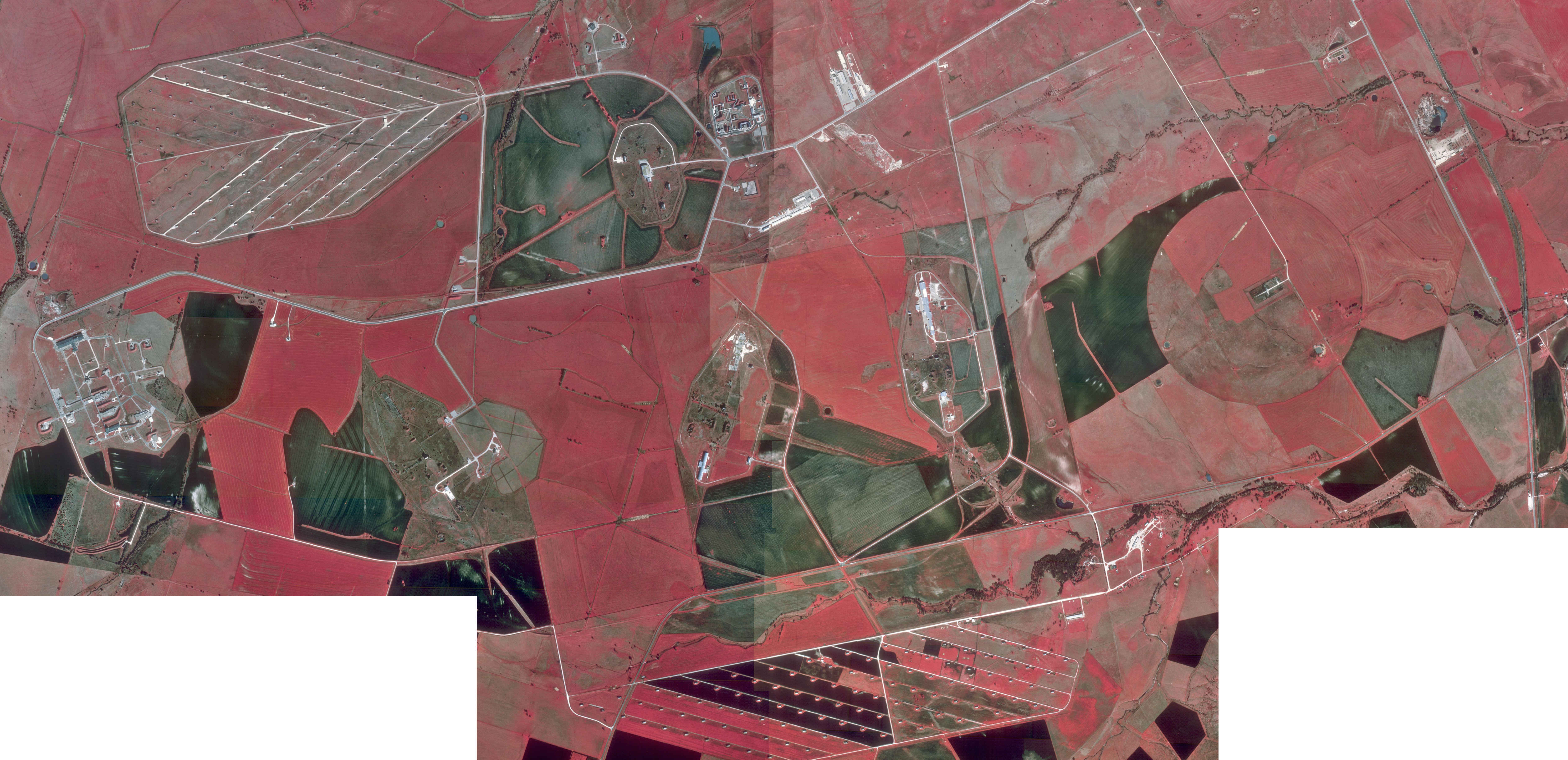
1.0 INTRODUCTION The Naval Weapons Industrial Reserve Plant (NWIRP) McGregor project team has achieved remarkable results while simultaneously coordinating a multitask perchlorate groundwater investigation for 9,600 acres onsite and 22,000 acres offsite. At the same time the team has transferred ownership of approximately 3,500 acres of the facility to the City of McGregor to satisfy U.S. Rep. Chet Edwards’ 1996 special legislation. Due to the high visibility of this work at the national and congressional level, members of the team worked with senior military officials (including Elsie Munsell, Admirals Baucom, Brewer, and Grunuzzo); U.S. Rep. Chet Edwards and Senators Phil Gramm and Kay Bailey Hutchison while facilitating relationships between two System Commands and multiple Southern Division Naval Facilities Engineering Command (SOUTHDIV) departments. Despite the tremendous challenges faced by the team, dramatic cost savings were achieved during 2000. This was made possible by the implementation of in situ bioremediation of contaminants at the facility. The use of in situ technologies, successfully demonstrated during simultaneous bench-scale studies, eliminated the need for currently existing ex situ units, alternate ex situ treatment technologies, and their associated permitting costs. This decision alone saved SOUTHDIV more than $6.5 million of ER,N funding in FY-00, an amount roughly equivalent to 17% of the entire SOUTHDIV ER,N budget. The McGregor project team was recognized and won the Grand Award from the Consulting Engineers of Tennessee in association with the American Consulting Engineers Council (ACEC) for the innovative and low-cost remediation of perchlorate contaminated groundwater through an in situ system. Further, the Navy’s project manager, Mr. Mark Craig, has received additional commendations for his work on the project. In recognition of his leadership, which has exceeded the normal expertise and requirements of his position, he received letters of commendation from the City of McGregor and the Naval Air Systems Command. In addition, he received Special Act awards, was selected as the Southern Division Environmental Restoration Employee of the Year for 1999, Southern Division Associate of the Year for 2000, and the Federal Employee of the Year for the Greater Charleston Area for 2000. 2.0 ENVIRONMENTAL BACKGROUND NWIRP McGregor is a government-owned, contractor-operated facility in McGregor, Texas, approximately 20 miles southwest of Waco. The U.S. Army Ordnance Corps originally established it in 1942 as the Bluebonnet Ordnance Plant. Over the facility’s 50-year history, owners included the U.S. Army, U.S. Air Force, and its current owner, the U.S. Navy’s Naval Air Systems Command (NAVAIR). Industrial activities at the site included weapons and solid-fuel rocket propulsion systems manufacturing. During its prime, NWIRP McGregor utilized 1,400 workers and was the largest employer in the area. Revenues from the facility supported the economies of many local communities, such as the cities of McGregor, Waco, Temple, Killeen, and Belton. At the time of the facility’s closure in 1995, the 625 people still employed at NWIRP McGregor were released. The closure created an economic hardship for the surrounding communities and, as a result, U.S. Rep. Chet Edwards sponsored special legislation to help turn the property over to the city of McGregor for economic redevelopment. Since 1999, 3,500 of 9,600 acres have been transferred to the City of McGregor. Because of the collaboration between the Navy, the City of McGregor, the USEPA, and the Texas Natural Resource Conservation Commission (TNRCC), the City of McGregor was given with the Community Economic Development Award sponsored by the Texas Department of Economic Development. Prior to facility shutdown, a multi-phased Resource Conservation and Recovery Act (RCRA) Facility Investigation (RFI) was initiated in 1992 at NWIRP McGregor targeting soil, surface water, and groundwater. The RFI responded to environmental issues raised in the RCRA Facility Assessment completed by the TNRCC. In the normal course of the investigations, a suite of contaminants of concern was identified during the RFI. However, in March 1998, the TNRCC notified the Navy of USEPA documentation stating that NWIRP McGregor used, stored, and disposed of ammonium perchlorate (AP), which had become an environmental groundwater issue nationally. This revelation had the potential of slowing down the property transfer that was already in progress. AP is an oxidizing agent used in solid-rocket propellant. Because AP is a salt, it dissolves rapidly in water, becomes mobile in groundwater, and persists for many decades under typical ground and surface water conditions. Perchlorate affects the thyroid hormone function by competitively inhibiting iodide anion uptake reducing thyroid hormone production. In 1997, an American Water Works Association Research Foundation panel resolved there was no proven process for treating drinking water containing low perchlorate concentrations. That same year, when improved chemical analytical methods lowered perchlorate’s detection limit from 400 to 4 micrograms per liter (µg/L), it was identified in many water supply systems, particularly in western states where rocket motors were manufactured. As a result, in March 1998, USEPA placed perchlorate on its Contaminant Candidate List for evaluation and potential regulation under the Safe Drinking Water Act. Various states, including Texas, established action levels for perchlorate in drinking water, ranging from 18 to 32 µg/L. In August 1998, after reviewing all recent perchlorate sampling results, a comprehensive Groundwater Investigation (GWI) work plan was developed to unify all site groundwater investigations and continue them offsite. With increased precipitation from November 1998 to February 1999 (compared to the dry summer), groundwater monitoring wells were installed and sampled, and onsite and offsite surface water sampling continued. This investigation identified migration of perchlorate from onsite source areas at concentrations that exceeded Texas’ drinking water standard of 22 µg/L. In February 1999, the TNRCC requested that interim stabilization measures (ISMs) be implemented to abate offsite migration of perchlorate from NWIRP McGregor. The Navy responded in March to the TNRCC’s request identifying source areas where interim corrective measures could be implemented immediately to remove, stabilize, or control perchlorate contamination. The TNRCC approved the response letter. In June 1999, an ISM evaluation plan was submitted to the TNRCC and the USEPA for review. The plan recognized that contaminated groundwater was exfiltrating to surface water at concentrations exceeding TNRCC action levels during the wet season. The groundwater subsequently contaminated the surface water (via natural springs and seeps) then flowed toward Lake Belton, a primary drinking water source in central Texas. TNRCC and USEPA quickly approved the recommendations contained in the ISM evaluation. SOUTHDIV, along with its CLEAN II contractor, EnSafe Inc., and its design-build contractor, CH2M Hill, was tasked to manage the contaminant investigation, evaluate remedial alternatives, prepare a conceptual design, and oversee final design and construction as part of NWIRP McGregor’s Environmental Restoration program.
|